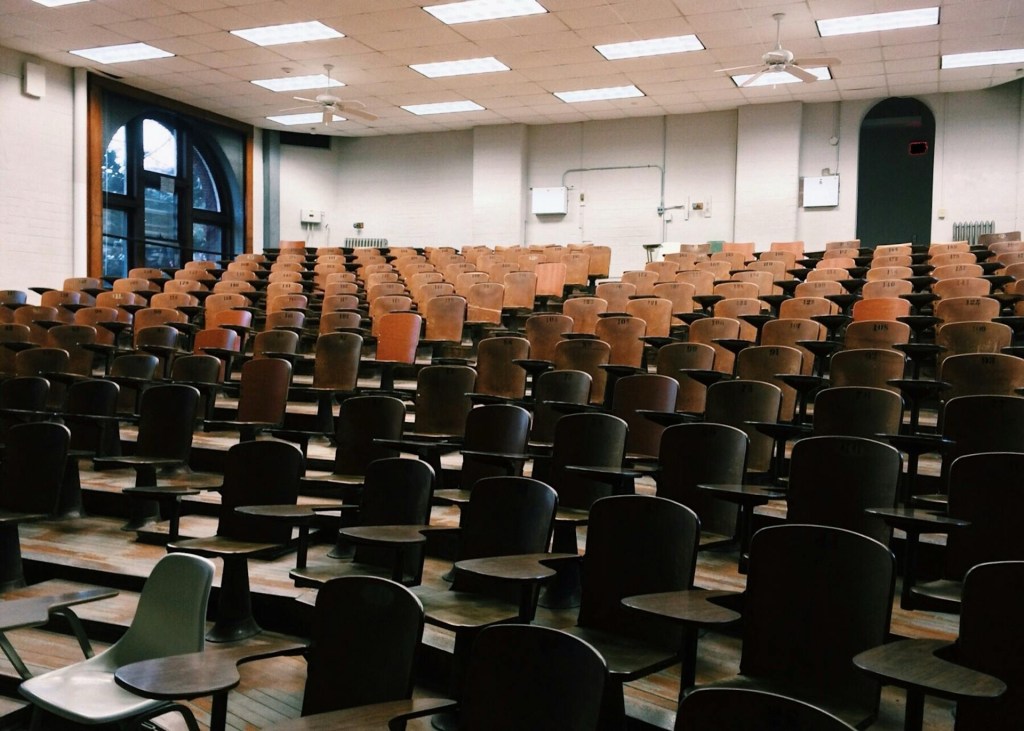
It is another time of the year when the future of many youths crashes and plummets into the doldrums of poverty; when they look in the mirrors and see themselves changing — more wrinkles, less hair, fewer teeth… and less hopes for the future. In Africa, poverty begins to speak into the lives of people the very day they place their foot into the classroom, when their dreams are crushed and freely traded for a certificate.
Several thousands of youths across the country have been left with their lives hanging on the cliffs after the recent bombshell announcement of the GCSE and GCE results. Their talents have been buried under the result slips when their GCSEs and GCEs finally spoke and dictated the end of the world to them, the cessation of their worthiness in this highly competitive economy. While we celebrate the 30% that made it in last year’s GCSEs, the most important thing is to ask what the remaining 70% will do to make the ends meet in this ever hardening economy. This is a question only for the brave of heart and thick of skin.
On the African continent, many people die at 25 but are not buried until they are 70. The diminutive, sicky system of belief of using pass rates as a yardstick to measure students’ intelligence and ability has exposed a bone-chilling revelation of hard country girls brushing hairs of their faces with one hand and holding cigarettes on the other, with their male counterparts sitting on the bridges, taking drugs and shouting obscenities to the ladies passing by.
On the African soils, school determines what a student does in life; in the developed world, life determines what a student does in school. Our school system mainly focus on the emphasis of survival rather than the achievement of dreams. With the introduction of ECD a couple of decades ago, students now sit for their GCEs at 20. Some people have argued that spending more time in school will serve as a population growth control measure as this occupies the brains of the youngsters. However, it is unarguable that the same system has become the yeast that raises the flour of poverty by denying young people the chance to explore their abilities and venture into income generating activities at younger ages. In the developed world, a 15-year-old person will be playing soccer for a top club, with earnings of more than £100,000 a week. In Africa, an 18-year-old somebody has reached the legal age of becoming a parent; but is still waiting for their GCSE results to determine their next step in life, and has no clue on how to generate a single dollar per day. This clearly explains the poverty that has become ubiquitous like mosquitoes on the African soils.
This tragedy clearly shows lack of independence amongst African nations that gained political independence decades ago, but are still in the trenches fighting mirrors when their developed counterparts have shifted to the war of ideologies. Lack of proper representation of youths in decision-making processes in Africa is one main factor that has left the younger generations playing hide and seek with the long shadows of totalitarianism, confining them in the cage of ignorance while youth leaders and advocacy bureaus bury their heads in the sand.
For the benefit of the ears that always love to hear the truth, it is now the right time to accept that the world has since gone past the GCSE and GCE era and is now in the skills and competence era. Most African schools still exist in the medieval times of GCSEs and GCEs where students spend much of their time in the classroom drawing cows and labelling grasshoppers, instead of learning useful skills. Schools have become prisons where students’ dreams are guillotined and tossed into the grave. Since the colonial era, we have at many times been offered several counterfeits for true education, flipping the sides of the same puppetry coin. Young people grow accustomed to having outstanding passes instead of equipping themselves with valuable skills in a time most African schools are busy solving their guilty consciences with other people’s names.
Most African schools have been popularly known for trading scholars’ dreams for better pass rates, an economic turmoil engulfing the lives of the youths. The GCSEs and GCEs have become the schools’ propaganda megaphone that speaks poverty into the lives of people sitting on top of the world’s most fertile lands and richest mineral deposits. As a result, those with high pass rates are forced to bear the infirmities of the weak by being the supportive columns on which the lives of the dependant populations rest.
Now that the results have been released, Africans should now wake up to the call of reality and account for the highly talented individuals whose career limps were amputated by the GCSEs and GCEs. Africa now requires an imaginative approach that does away with pass rates and focuses on a student’s key abilities and how they can contribute towards the growth of the mainstream economy, which also reduces dependency ratios amongst the youthful workforce.


