PowerPoint is an incredibly powerful and versatile tool that is often overlooked. It’s a staple in the presentations field, but did you know it can be used for much more? With a plethora of creative tools, PowerPoint can also be utilized for advanced applications that require sophisticated software. Don’t underestimate the potential of this program in your day-to-day business operations.
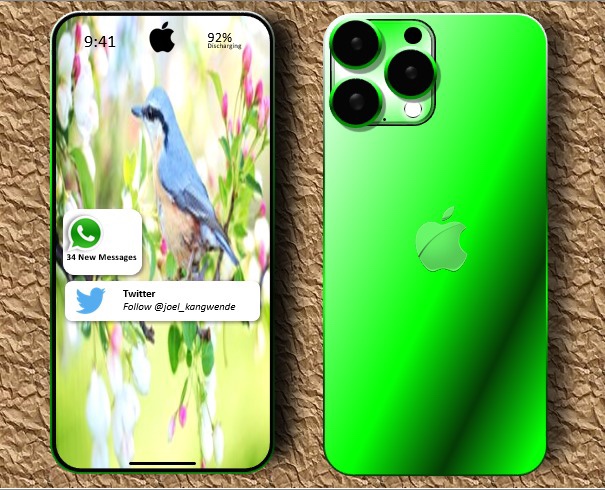
PowerPoint has long been the go-to for presentations and basic computing tasks. But did you know its usefulness is expanding? Recent versions of the program now support advanced capabilities like UI/UX mockups and website and application wireframe prototyping. In fact, PowerPoint is increasingly being used as a platform for user interface design. From entry-level to mid-level users, it’s time to take your PowerPoint skills to the next level and explore the possibilities.
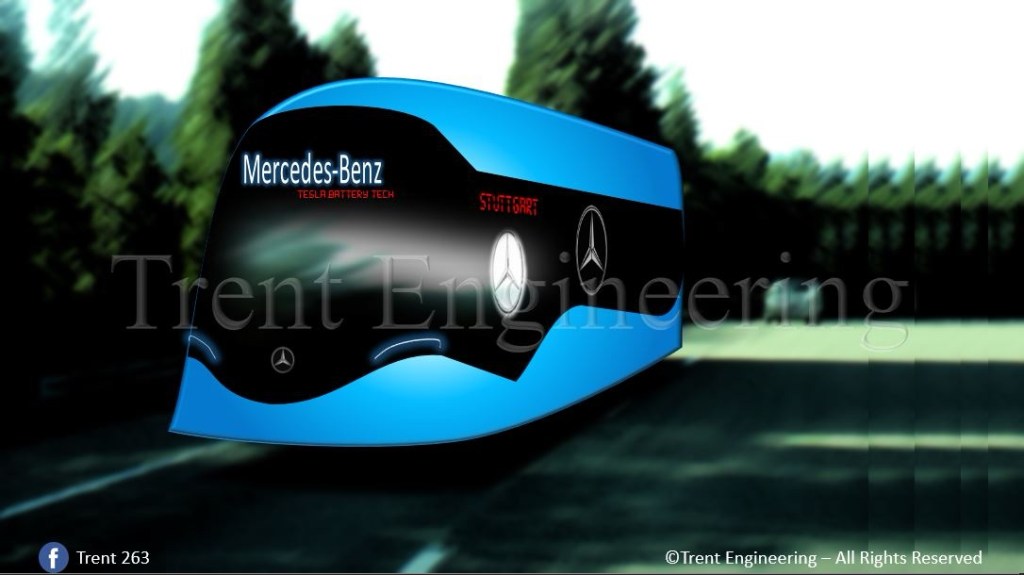
PowerPoint is no longer just for presentations! Recent advancements in computing have allowed it to be used in advanced Computer Aided Design (CAD) systems, offering an almost 3D, semi-realistic look of the renderings. Microsoft has done an excellent job developing PowerPoint into a useful tool for the CAD industry, and there’s still untapped potential for further growth.
Are you an emerging creator looking for an affordable graphic design tool? Look no further than PowerPoint! This software delivers impressively realistic graphics while consuming just a fraction of the total computer processing power. In fact, PowerPoint can provide almost industry-standard graphics at less than 25% of the minimum requirements of a standard design software. With less than 1GB of RAM, less than 1.5GHz processing power and no graphics card, you can create semi-realistic renderings, making it the perfect tool for those playing a pivotal role in the development of new technologies. Give PowerPoint a try and see how it can help bring your ideas to life.
Microsoft has set its sights on the content creation space, with a particular focus on the CAD market. PowerPoint has been a game-changer in terms of how the design industry can optimize in the coming years. Unlike most CAD systems that require high-end specs, PowerPoint has proven that powerful software products can be brought to entry-level computer systems and mobile devices. This is a crucial development since most digital content access traffic comes from mobile phones.
• Use biometrics or passcode to view hotspot password
• Switch off networks from the control panel
• Switch LiDAR scanner and flashlight positions to improve lighting
• Apple-shaped hole punch
• Landscape mode for UI
• New icons
Apple might need to reconsider its iPhone design, close to two decades after the official launch of the first ever Apple iPhone. The company managed to maintain a good trajectory and uniformity up to the iPhone 4, and lost this uniformity with the introduction of the iPhone 4S model. During those times, the iPhone model would resonate well with the version of the operating system software and the hardware as well. With the much awaited release of the iPhone 15, Apple should have been working on the release of the iPhone 15 together with iOS15 as well as Apple A15 chipset, so that the pattern would be uniform.
However, the traditional iPhone would sell as a single version, or two at most, the original version and its Plus model. This has been a dramatic shift from the Nokia N97 times when a flagship device would have a ‘Mini’. Apple was supposed to have maintained the Mini and or Plus tradition. The iPhone X was a complete game changer, which marked the beginning of a new revolution within the smartphone industry. However, it was supposed to mark the end of the first iPhone era. A different approach would be the launch of a new iPhone series such as iPhone Air 1 to X, and start over again, instead of having big numbers such as 15. One can wonder where these bug numbers are leading us; obviously to even bigger numbers such as iPhone 36, iPhone 72, which sounds queer. The tech giant could have utilised alternative naming such as iPhone Air 1 to X.
Considering the current setting, Apple seeks to losing a considerable market share to its competitors due to something simple the company has overlooked for quite long. The entry-level iPhones are becoming ‘too ordinary’. This means the phones are lacking some basic features we can find on alternative but cheaper devices from the company’s competitors. A fair comparison would rule out the alternatives to be way better than Apple’s entry-level devices that sound like overpriced gadgets. Also, the tech giant seem to be using too many colours on it’s devices.
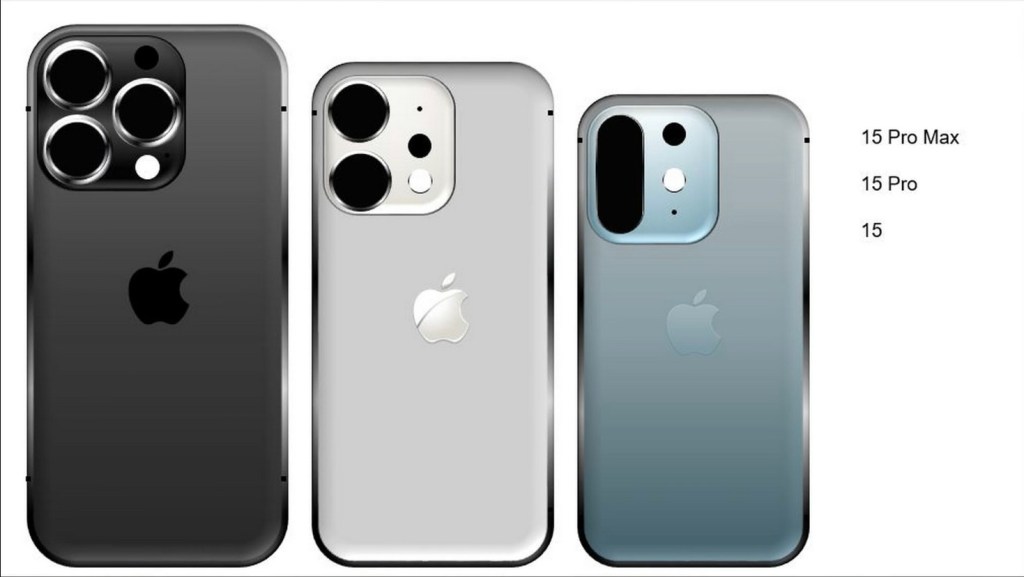
The main difference between entry-level iPhones and the Pro iPhones are mainly pronominal on cameras and chipsets, and sometimes on the hardware, depending on the version. For example, the iPhone 11 was way better than it’s Pro, since it came with a bigger display panel and battery. The Pro only had and advantage of a better pixel density and display resolution as well as a Pro Camera, otherwise there were no other selling points to attract customers. Considering the iPhone 14 Series, Apple made a huge mistake by producing a big entry-level device. An entry-level devices should be an entry-level device, and is not expected to have a bigger display than its Pro model. The iPhone 14 Plus was not necessary. However, the other mistake Apple is making is having too many phones on its single line up. The company should reconsider producing just two, or three variants at most, per model. Instead of having a Plus at one time, and a Max at another, and a Pro (Max) at another one, Apple should stick to just one strategy to prove to the market how organised they are. The company should also have the mid-level device as the official one, for example, iPhone 15. The phone should then come with a Mini model and a Plus/Pro/Max, otherwise having iPhone 15, 15 Pro and 15 Pro Max can be a better approach.
However, Apple should produce all devices with that aesthetic design of the Pro body, which features a professional finish and touch, which a matte body and dull icon design. The camera system should come with a wide, ultra-wide and telephoto pieces, with an additional time-of-flight (ToF) depth sensor such as the one use by Huawei and Samsung. The next model should have mare pixels and bigger resolutions and an ultrasonic depth sensor, leaving the LiDAR technology only for the Pro model. If the entry level uses 12MP cameras, then the mid-level should have more pixels, around 40MP. The Pro model should have even bigger, up to 120MP.
Most of the customers do not understand technology to the same level as the designers and manufacturers. They believe more pixels means more quality. Thus, the designers need to come up with designs that have evident visual differences to convince the buyer that the devices are different. That’s why software designers needs to revamp UIs instead of just debugging and doing a few amendments. Also, Apple needs to switch the positions of the LiDAR scanner and camera flash, so that the latter can clearly illuminate ground in portrait photo frames.
The three models also need to be equipped with different biometric systems; one with onscreen Touch ID, Face ID, with the Pro model featuring all of them. The notch designs, display size, pixel density and resolution should be different on all the iPhones. This should also be done on the processor, RAM and even storage.
This strategy will greatly improve customers’ buying patterns and improve Apple iPhone’s share of market.
Examination leakage remains one of the most pressing issues affecting the credibility of most education systems. While there have been several modifications of most educational curriculums to further enhance efficiency of education, the problem of exam leaks remains unaddressed.
This problem affects quite a number of developing countries and still requires attention. Exam leaks have been on the rise in the past few years and has costed many examination boards several millions of dollars in paper replacement, at the same time denting their reputation.
The captioned images illustrate a new innovation that has been designed to address the problem in the developing world. The new innovation is expected to reduce the number of exam leaks by a significant percentage, and is easy and cheap to implement.
Disclaimer: Logos used to in the captioned images are for information purposes only and belong to their respective owners.
Affordable healthcare is one of the most pressing issues affecting humanity globally. The annual global budget for healthcare, as per WHO official data, ranges between 8 and 9 Trillion United States dollars.
Affordable healthcare has become one of the major issues of concern such that it has been listed as one of the United Nation’s 17 Sustainable Development Goals (SDGs). SDG Goal 3, Good Health and Well-Being, forwards the idea of effective health systems that are centred on availability, efficiency, affordability and reliability. However, with the rising healthcare costs in most of the developing countries, with some parts of Africa and Asia being the main focal points, an estimated 8,000,000 people die annually due to lack of adequate and standard healthcare, according to nationalacademies.org.
Countless healthcare-related donors have unveiled funds amounting to several hundreds of billions of dollars in an effort to resuscitate the healthcare facilities of most developing nations that are currently in a sorry state. With the recruitment of Healthcare Workers (HCWs) that has been taking place in the developed countries, following a sharp decline of health facility staffing in the post-Covid era, there has been a massive brain drain which has left the health systems of many developing nations on their knees. According to some recent research studies, the healthcare sectors of these countries are expected to undergo a steep dive due to shortage of skilled HCWs who are flocking to greener pastures.
Most efforts to address these concerns have have been futile. Focusing on the innovation side, many smartphone manufacturers such as Apple and Samsung, have invested heavily in mobile applications and hardware that improve the current healthcare systems, but quite a number of healthcare needs remain unmet. The consumption of software products is optional, which limits the use of healthcare services due to the stiff competition from other applications such as social media platforms, entertainment services and electronic commerce. Limited data access in the developing world, lack of information and general ignorance have been largely blamed for the backsliding in the anticipated user growth. The UN SDGs are currently set for 2030 as the official deadline, but the remaining number of years has unveiled a growing doubt on the success of the current efforts before the deadline. That points out to the need for more efficient service delivery in healthcare systems.
Nevertheless, this journey seeks to launch a futuristic vision regarding healthcare systems, a groundbreaking technological advancement that works on all creatures, but mostly for human beings, and works with implants for advanced healthcare delivery for cost effectiveness, reduction in medication timeframes and consistency to reduce the likelihood of antimicrobial resistance, which has become not only common but part of our lives, and, finally, for proper blockchain-based record keeping. Most common examples for antimicrobial resistance are Methicilin-resistant S. aureus (MRSA), Vancomycin-resistant Enterococci (VRE), Enterobacteriaceae, Carbapenem-resistant Acinetobacter baumannii (CRAB) and Carbapenem-resistant Pseudomonas aeruginosa (CPRsA); and this revolutionary technology aims to suppress the effects of antimicrobial resistance resulting from the ineffective use of antibiotics in humans.
Clinical records are to be easier to keep and maintain than ever, with advanced data security through advanced blockchain technologies. The technology has currently been optimised for people with persistent medical conditions like hypertension, tuberculosis and HIV, in an effort to improve the effectiveness of first-line treatments, to avoid unnecessary implementations of second-line and third-line drugs, which has been largely blamed for antimicrobial resistance. This will ease WHOs efforts in the Global Antimicrobial Resistance Surveillance System (GLASS), especially on multi-drug resistant organisms (MDROs).
More information about this project can be requested directly.
Trent World has embarked on a new journey of designing a world-class smart city in an effort to bring the global community closer to SDG 9; Industry, Innovation and Infrastructure.
The construction engineering work has been assigned to Trent Construction, while Trent Engineering focuses on the general engineering and innovation side. The new concept of smart cities is expected to revolutionise the real estate industry and improve the way the global community interacts with its environment. Urbanisation has always been poised to interfere with the natural ecosystems as town expansions have always destroyed the natural habitats and food resources for thousands of animal species. This has been worsened by the global population increase, which has created a greater demand for living space and industrial sites, while demanding agricultural production growth on the same piece of land. This calls for new innovations that allow growth within the existing residential and industrial sites without much growth in terms of the consumed space. Growing the already existing areas in terms of efficiency without geographical expansion will help improve the utilisation of land. That means an agricultural piece of land will have to double its harvest without an increase in the size of the utilised land. It is the same approach Trent World seeks to use in expanding cities five-fold, without any expansion in the size of the used land.
Trent World seeks to improve land utilisation in an effort to leave the jungles uncleared so as to improve the supply of air, sustain life on land and sustain life under water by leaving wet lands undisturbed. That means the current cities have to improve in terms of land utilisation without expanding in terms of geographical distribution.
The smart city concept is expected to deal with the overpopulation problems that continue to haunt our natural resources and ecosystems as it is becoming a challenge to accommodate the continuously growing population. A city accommodating 1 million residents is supposed to increase its capacity to 2 to 3 million, utilising the same piece of land. Farmers will have to improve their yields without extending their farms.
The current population increase means more green belts have to be destroyed in an effort to expand the residential and industrial sites in order to support the growing population. This has been much of a problem in countries with very large populations like China and India. Countries with large industrial sites like Japan and USA continue to battle the challenges for expanding their industries while striking a good balance with the growing demand for residential area, the proposed smart city concept will ensure the coexistence of the industrial growth with population growth on the same piece of land.
During the Industrial Revolution, the fossil fuel powered industry produced thick clouds of black smoke. This threatened the lives of the white moths that would rest on walls and tree barks as they became clearly visible to birds preying on them. Now that the white walls were turning black because of thick smoke, the white moths became easy to identify as they rested on the darkening walls.
Suddenly, there was a rise of a new breed of black moths. Some people believe these black moths to be a result of white moths being coloured by the black smoke from the industry. However, scientists attribute this colour change to a gene mutation caused by the smoke.
In a similar development, wheat farmers in Southern Africa usually have hard times in dealing with the quelea birds that continue to terrorise them year after year. Most of these farmers are using toxic substances to spray and kill these quelea birds. However, not all birds are killed in this exercise. Some birds survive and are severely affected by the chemicals, which is most likely to cause an intense gene mutation in the near future.
This does not only harm these quelea birds, but also other creatures that feed on these birds. Also, the quality of air and soil maybe affected by the successive seasons of spraying these chemicals.
Trent Engineering has therefore devised a new method of dealing with this problem without threatening the lives of the birds and animals that feed on them. The method is less costly to implement and does not leave any negative effects on the environment and the ecosystem.
The United Nations has always called for a ban on unpaid internships. In the recent years, some companies have been relying heavily on interns as a source of cheap labour. It has to be noted that some internship recruitments are not based on genuine love and appreciation of on-job training but rather a source of cheap labour. Several companies have managed to cut their employment budgets by significant percentages, especially companies that recruit l blue collar workers.
Companies that rely on the white collar powerhouse have been fuelled to recruit by their spree to freely utilise the intellectual capabilities of interns mostly through intellectual property rights infringement, which is also prevalent in tertiary academic institutions where the institutions and lecturers freely utilise students’ intellectual property without remunerating them.
It has to be noted, however, that due to the poor academic systems of the developing world, most students pursue careers they never intended to do. Because of that, these unpaid internships will pose as forced labour or some kind of slavery to them as they will be unwillingly doing the job for the sake of completing their studies. This has fuelled the occurrence of college dropouts, suicides, rampant drug abuse, intentional job-related injuries and other forms of self harm, and other work-related problems that emanate from the lack of peace of mind.
The idea of placing a ban on unpaid internships comes with its own repercussions. It has to be noted that the largest youthful population lies within the developing world. All this youthful population needs to have on-the-job training experience, and it is the same focus area that does not have a sound industrial system. Most developing countries are staggering in terms of economic development and interns end up desperately fighting for the few available unpaid internships. The few available companies are not willing to pay their interns. This creates an environment in which companies no longer recruit interns, hence significant number of students hardly have industrial attachment to further their knowledge.
With the already existing system of unpaid internships, a significant number of interns spend the entire internships doing duties that are not directly related to their field of work. Most companies have proved to be indifferent since they will be in need of free labour. Placing a ban on unpaid internships will require an overhaul of both the education systems and models adopted by the respective countries as well as the recruitment processes.
Is the hole punch on the iPhone 14 Pro series a coincidence or it was deliberate?
The new iPhone design shows an “i” on the landscape mode, which can be an i for iPhone. Will they implement the same design on the MacBook and iMac, since those are only used on the landscape mode?
Check out this iPhone 15 Pro concept front redesign. They can use this new design which is the most ideal for laptops and desktops.
With the fast pacing technology of the modern day world, it will become very difficult for the underserved communities to catch up with the rest of the world in terms of financial inclusion. Most rural areas are characterised by an inadequate supply and flow of cash, which means most goods are barter traded, or financed using the scarce cash which is in insufficient supply. This has led to millions of students across the globe failing to access proper basics like education and clean water and sanitation, and has mostly affected the younger generations, especially the girl child.
Developing these underserved communities will cost several trillions of dollars and will take several years. Considering the nature of the budgets allocated for infrastructural development by some developing countries, the various nongovernmental organisations will need to chip in to assist with the construction of schools, clinics, bridges and other structures that need to be setup. However, this is not going to be an easy task for most communities. That means these countries will have to skip some phases and generations of development in order to catch with their developed counterparts.
We are therefore developing an advanced form of technology of the MetaVerse type, coupled with the Internet of Things and the next generation artificial intelligence and mixed reality, which shall, for the meantime, serve as an interim replacement for all those costly developments that first need to take place. This will further enhance financial inclusion in the developing communities and cut the global bill for financial inclusion by up to 65%. This combination of technology shall see the developing communities catching up with the rest of the world in terms of financial inclusion.
Water and sanitation remain some of the most pressing issues that continue to affect human lives in day-to-day situations. Scarcity of water has forced some families to survive on very strict water budgets, thereby compromising their hygienic levels, especially amongst women and young girls.
This has mostly affected women and young girls, especially those living with some form of disability. Water is a basic need for each and every individual on a daily basis with various uses such as drinking, cooking, bathing and washing. Clean water and sanitation have been listed as part of the 17 United Nations Sustainable Development Goals in an effort to solve this challenge, showing the complexity of the problem that continues to affect livelihoods on a daily basis.
These water shortages have reshaped human lives negatively as some young people can no longer access other basic human needs such as education due to limited sanitation. Clean water and sanitation are issues that require collective efforts of the global citizens to create viable solutions for this challenge.
In other places, people are walking miles to access clean water. The problems associated with proper sanitation also affect those in the overcrowded developing urban areas. We do have countless overpopulated cities across the developing continents. The problems emanate mostly from the varying levels of hygiene amongst the population in a given area, and also due to the fact that some urban areas can no longer support the continuously increasing populations.