Rewind to the period between 2009 and 2011, and then fast-forward back to 2023. The face of the technological landscape has completely changed and is no longer as it used to be – highly competitive. Between 2009 and 2011, some of the most remarkable innovations were developed as far as mobile technology is concerned. Iconic smartphone brands such as Nokia, HTC and BlackBerry amongst other popular manufacturers, and of course the legendary Apple iPhone, have played a significant role in the development of innovations that have changed the lives of the people and the world at large. The global community of freelancers has brought a positive growth to the world of technology. MyNokiaBlog has been one such platform where innovators gathered to deliberate on technological issues affecting the mobile industry and contribute to the transformation of the global technological landscape.
While research studies have indicated that innovations have got lifetimes, it is the best time of the century Apple has to take greater strides to shield and elongate the life of its iconic smartphone. Following the untimely demise of the iPod, the iPad is also on the verge of collapse. According to the statistical analysis by crn.com, Apple’s iPad revenue declined 10% year-over-year to 6.4B. The site also states that according to Maestri, iPad sales suffered for similar reasons to the Mac. IPhone sales have also been declining over the past years and may continue to decline if the most pressing issues are not addressed.
The current design path Apple is being pressured to take has several negative implications that will push the tech giant into losing some its sales if complementary mitigation efforts are not invested. For years, Apple has been touted as a flamboyant for its uniquely designed features, including a proprietary lightning charger, which the tech giant has been pressured to abandon for USB Type-C. Moreover, Apple is being pushed to accept the side loading of applications, which will further diminish its prestige that used to distinguish the iPhone from the rest of its competitors. Apple has for years been the pioneer of most technologies in the mobile manufacturing space, including the first successful launch of a touchscreen phone, the first device with a full-display front and the dynamic island. While these features now exist nearly on every phone, it has become almost impossible to pick out the iPhone from a pool of different other smartphones.
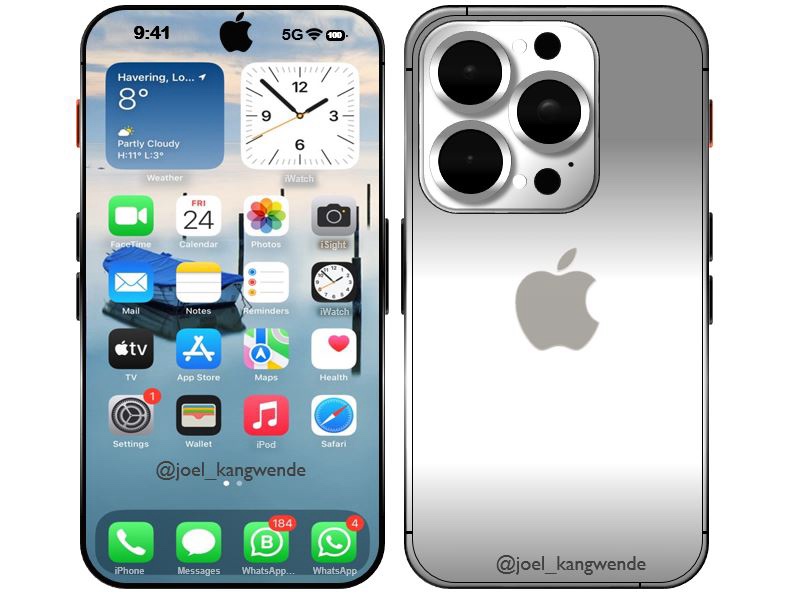
While the tech giant does not accept unsolicited ideas from the outside world, I have persisted over the years on hinting the company to develop an Apple-shaped hole punch logo, which would make the device stand out from the rest of its competitors who have already adopted the dynamic island technology.
Considering the prevailing technological climate, the iPod succumbed to its untimely demise, and the iPad may follow suit if the current innovation challenges are not addressed. Speculations based on technological predictions have interpreted the current situation as the end of the smartphone era, but the replacement of smartphones with wearables can be described as a premature rush into the next generation of technologies while the smartphone era has not yet lapsed, as proved by the continued acceptance and adoption of foldable smartphones. The major changes that have been made to the iPhone are pushing the company to the most uncomfortable edges of the market, exposing the iPhone to the vulnerabilities of intense competition from Google’s Pixel and Samsung’s Galaxy flagships. Apple needs to understand that Google has a strong advantage of a vibrant market share in the software industry, and can leverage on the preloading of its widely used services such as YouTube, Google Maps, artificial intelligence systems and other platforms to attract users towards its Pixel devices. On the other hand, Samsung has taken an upper hand on the consumer electronics market, which has sandwiched the iPhone between two very powerful technology behemoths. Continued pressure on the iPhone to abandon some of its proprietary technologies may lead to the continued slumping of the company’s sales if no new technologies are introduced, especially on the hardware side, since software can be easily upgraded.
According to TechRadar, the Big Three companies have seen their shipments falling more than 10% between Q2 2022 and Q2 2023, and this is the eighth consecutive quarter of year-on-year decline, suggesting a downward spiral for the industry. The declining smartphone sales suggest a hint that needs to be taken seriously. For the past 3-5 years, there have been minimum differences between successive smartphone models and smartphone brands as well, which has greatly lowered customers’ curiosity about new devices. That brings us to a conclusion that the declining overall smartphone sales have been due to the declining pace of innovation.
One of the major problems, that have continued to push the iPhone to the most uncomfortable edges of the market is an overlooked branding issue that has since lost its course. The tech giant could have maintained its iPhone model number in perfect match with the iOS and chipset versions, avoiding bigger numbers that go beyond iPhone X, which is a branding mistake Samsung has also made on its Galaxy S smartphone series, with Google having done it on its Android versions – hopefully the Pixel won’t go the same way. When using numbers as product variants, they are better maintained between 1 and 10, then start over again with a new series, such as iPhone 1 to 10 and then iPhone Air 1 to 10. That would give the company an advantage in terms of how customers pronounce its products’ names, and iPhone Air 2 would sound better than iPhone 36 or iPhone 42.
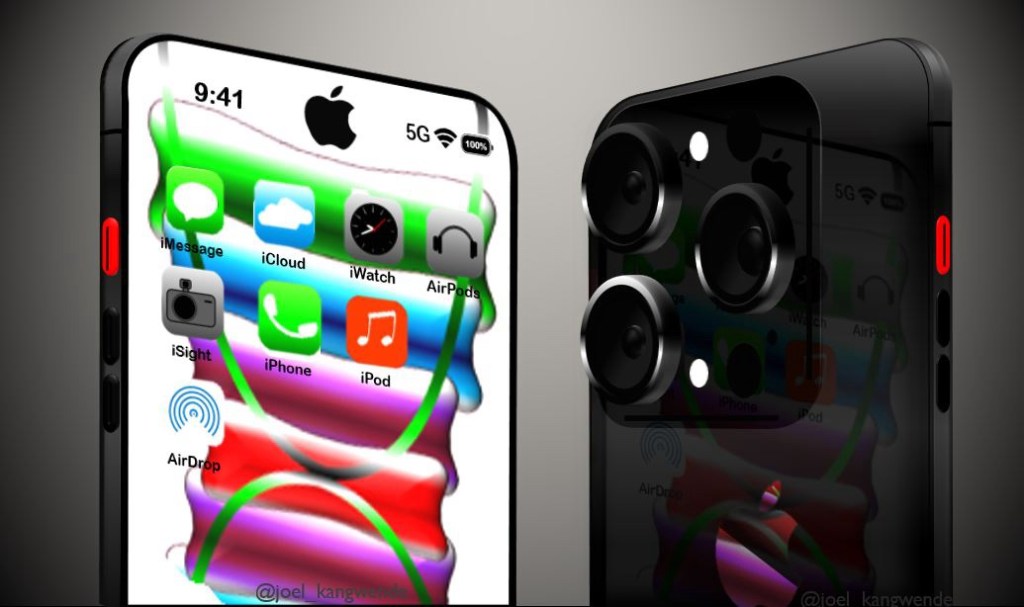
Regarding the software part of the phone, the iOS needs a complete overhaul that brings new functionality and a whole new look, especially for the upcoming iPhone models only. Upgrading the software without major hardware upgrades is an ineffective approach since the older smartphone models will just upgrade to the same software versions, which means some customers will choose to remain with the older models and simply run a software upgrade, an approach which has been common for years, as customers run out of curiosity for new devices. For the upcoming models, Apple better runs a complete overhaul and allow the newer iPhone models to run a parallel upgrade that has a whole new range of performance and functionality. That means iOS18 will have to be a completely new software, with different variants of the software, one for older iPhones and a parallel upgrade that will be available only for the upcoming iPhones. Software programs need to be overhauled and the names need to be updated. In my previous renderings, I have provided a whole new range of terms; Phone to iPhone, Music to iPod, Camera to iSight; and an addition of other quick access apps such as iCloud and AirPod apps. I have done a completely new interface which has not been show on the renderings, which is supposed to bring a new way regarding how people interact with iPhones, for the first time since the launch of the iPhone.
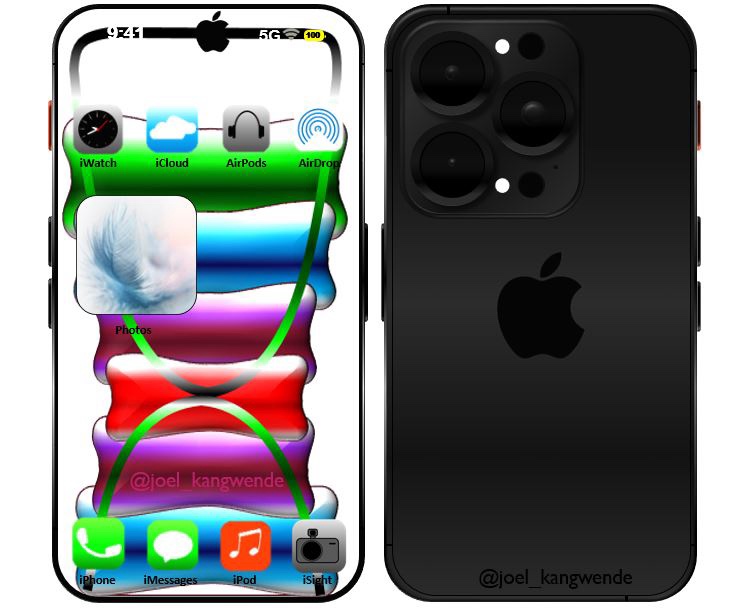
However, besides software upgrades, there is a lot the tech giant can do in terms of differentiating the hardware design,l in different iPhone variants, besides differences in size.


